Reflection spaces in organizations and institutions. Disability as the example to open conversations that don't happen every day.
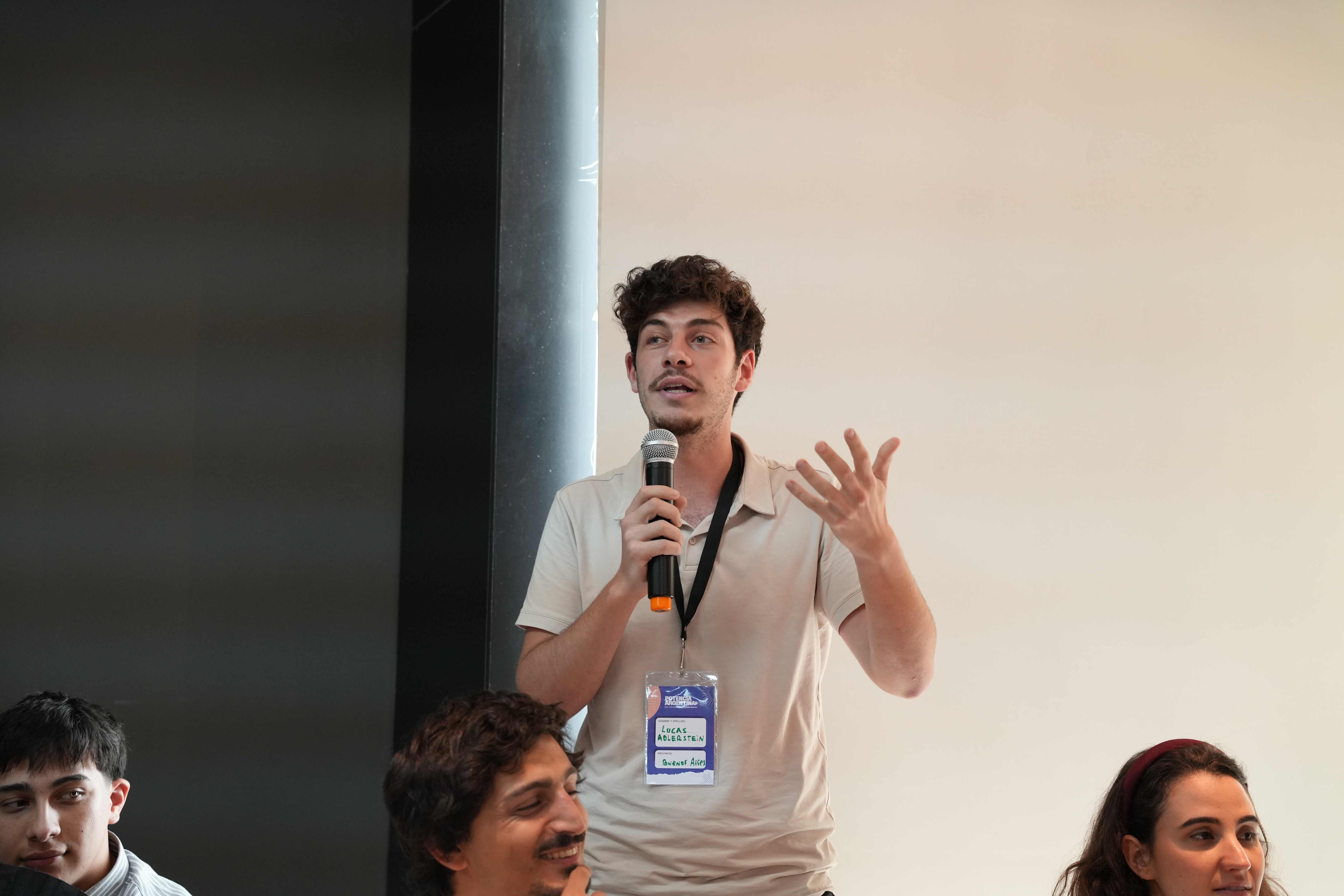
I'm Lucas Adlerstein.
Speaker · Workshop facilitator · Host
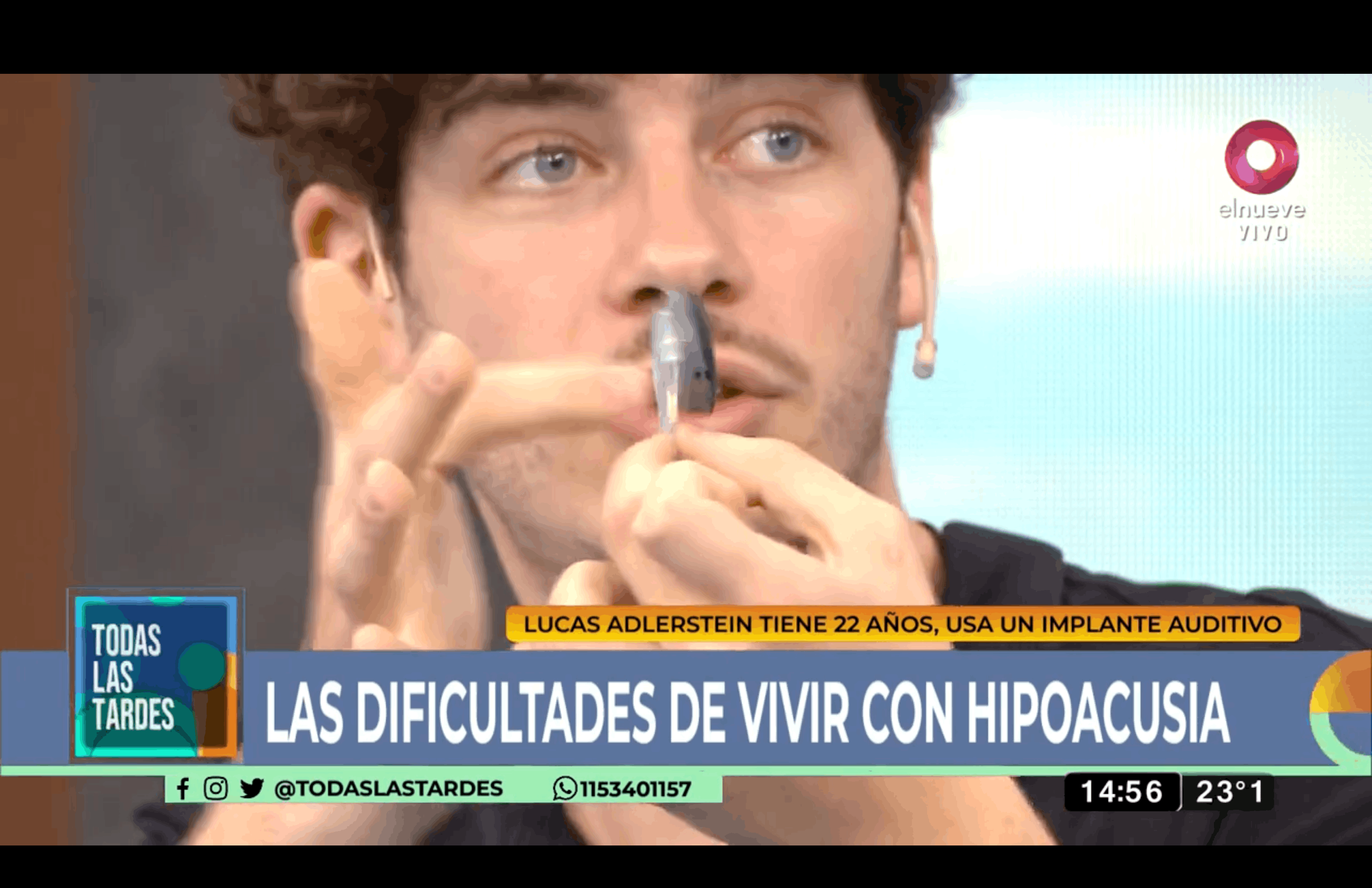
I lost my hearing at 15, got it back at 20. I studied 4 years of computer engineering, worked as a developer, have been creating content since 2021, and founded and lead CASACUSIA.
When I was 15 I lost my hearing and drifted away from the world I knew: social life, confidence, basketball, group projects. Five years later, a cochlear implant didn't just give me back the ability to hear — it gave me back confidence, security, and the joy of being alive.
With the belief that disability isn't cured — it's accepted, today I work so that other people can find their voice and their place in the world, lifting a heavy weight off their shoulders.
I create reflection spaces about disability, diversity & inclusion, and conscious leadership — where disability is the example to work through different topics.
When I got my implant, I couldn't find real people's experiences, so I started sharing mine on social media. Doctors began recommending my videos. One day I went viral. A flood of comments and messages turned into conversations. I realized I wasn't alone.
Some of those messages turned into coffees with people who were losing their hearing, or with families whose children were born deaf. Eventually I couldn't keep up with the one-on-ones, so I invited everyone to a park. 20 people showed up. Then 36, 45, 69… 473 people came in person to share their story.
With those 473 people who came to share their story, we channeled that into creating a foundation — and that's how CASACUSIA was born, the home for people with hearing loss, where nobody goes through disability alone.
Because for many, disability isn't the silence: it's the loneliness.
I founded and lead CASACUSIA — a foundation that supports thousands of people with hearing loss and their families.
Speaker & AdvocateOntological CoachFounder of CASACUSIANon-Formal Educator
A different way of seeing
"Inclusion" shouldn't be charity.
Let's sit together at the table, and change the way we see each other.
And let's use the word "disability" — there's nothing wrong with it.
What can we do together?
Three ways to make an impact.
I'm the same person behind each one. What changes is the length and the format. What doesn't change: I kick things off — and the space is built with what the people bring that day. Not from what I carry in, but from what shows up in the room — and a mix between them.
Talk
The reflection space
In first person, with the room inside.
60 minutes
Who it's for
A mix of team members across organizations and institutions. Plenaries, offsites, kickoffs, wellness weeks, year-end or year-start events. In person or remote.
Disability is the example, not the topic.
I work across multiple themes depending on what the organization wants to move: failure and risk-taking, conscious leadership, listening within teams, internal relationships. My story is the door — we build the content together during the discovery phase.
Format
20 minutes from me at the start, 40 minutes open for group back-and-forth 🌀. We close with a written commitment from each person.
What people take away
Something concrete, designed with the institution as the goal of the space. We define it together in the prep meetings.
A reflection that stays with them in their life — more awareness, a different way of seeing people with disability and people in general.
An open door to change: a question, a decision, a conversation they've been putting off.
Example
A bank wanted their teams to get more comfortable making mistakes and taking risks — they were trying to spot their next directors. Through my story, we explored how to navigate failure, when it's a sign of learning and when it's a sign that information is missing. Disability was the example. Not the topic.
Immersive workshop
See, feel, act
Immersive: to plunge inward 🌀.
90 minutes
Who it's for
Teams of up to 40 people. Product, design, customer service, HR, or project teams. Flexible.
Format
Participants do their actual work for a while with a visual or communication limitation. Then we talk about what they felt, starting from what happened to them. Watch the workshop video →
What people take away
The experience of rethinking products, services, or spaces within their organization through a different lens.
Applied empathy — no longer a concept, but a practice with their real work.
An individual commitment per person.
ExampleAn events production company used the workshop so their cross-functional teams could connect with each other, rethink past projects, and redesign them to be accessible for people with disability.
Host
I lead, moderate, close
To be defined
Who it's for
Tech events, product conferences, internal conferences, year-start and year-end events, industry association gatherings, and institutional events.
Format
I carry the thread of the day, moderate panels, and close with an intervention that ties the whole event together. Technical background in computer science and training in ontological coaching — which lets me move comfortably through tech, product, and innovation events.
What people take away
A day with tone and direction.
Panels that feel like conversations, not interviews.
A closing they remember the next day.
ExampleManpowerGroup · hosted "Building Bridges 2024," the annual event on workplace inclusion.
📅
Disability awareness month — December
If you want a talk or workshop for December, let's talk in September and lock it in before October. The end-of-year calendar fills up fast.
The process
How do we work together?
We start before, we follow up after. I like to break it down in 3 stages.
1Align and get to know each other
We set goals, tone, and audience. 1 or 2 meetings to define what you want to transform and why — the content of the space is built from there.
2Impact and connect
The space itself. Interact, listen, and above all, reflect, rethink, and build. Then we get closer and get to know each other, making room for the stories.
3Follow up and measure
We bring the group back together in a virtual session a few weeks later. Each person shares what stuck, what fell through, what got applied — and from there we adjust what makes sense.
* Virtual, optional, and ideally outside working hours.
Where I've been
Some rooms.
CochlearDisneyUBA
Feedback from the spaces
What people said.
"
Lucas has an incredible ability to connect with people, delivering important messages in a clear and deeply empathetic way. He tells his story and invites people to feel comfortable enough to ask, chime in, share.
Natalie A.HR · TotalEnergies
"
The way he communicates, both his ideas and his story, is truly inspiring and moving. It left me thinking about how I can, from where I stand, make a positive impact on society.
Florencia T.Diller Teen Fellows
"
I'm taking away the difference between inquiring and proposing when we want to bring inclusion into the workplace.
AttendeeArgentine Fintech Chamber
"
Your way of communicating — so clear, so simple, so deep, and without resentment.
AttendeeThomson Reuters
"
You spoke from a very human place: your social isolation, your depression, all the way to getting back on your feet. You never gave up.
AttendeeThomson Reuters
"
The importance of not imposing or suggesting, but asking and creating an environment where the person feels comfortable.
AttendeeThomson Reuters
"
The awareness around the topic, and how they created a safe space where we could actually talk.
AttendeeArgentine Fintech Chamber
"
There is no challenge harder than another, just different levels of acceptance.
AttendeeLincoln Schools
"
We should focus on what we have instead of what we're missing.
AttendeeThomson Reuters
"
I think it's very honest that you shared so many aspects of your personal life.